
Blog / Hyundai Information

Hyundai Recommended Service Schedule Explained

service

Author: Zimbrick Hyundai West

Welcome, Madison drivers! This locally tailored maintenance guide is designed specifically for you, taking into account the unique driving conditions and climate of our beautiful area, including nearby Fitchburg, Middleton, Janesville, and Sun Prairie. At Zimbrick Hyundai West, we've built decades of trust within our community, and we're excited to share our expertise in keeping your Hyundai in optimal shape. From navigating the snowy streets of the isthmus to enjoying summer road trips, this guide will help you understand the recommended service schedule that best suits your needs, ensuring your vehicle performs reliably and efficiently throughout the year.

Why Should You Follow a Maintenance Schedule for Your Hyundai?

Following a maintenance schedule is crucial for protecting your investment in a Hyundai and ensuring your vehicle remains reliable, especially for drivers in Madison and the surrounding areas. Local climate conditions, such as the heat and humidity of summer, can put a strain on vital fluids, belts, and filters. Additionally, the abundant pollen in spring can clog air filters, affecting your car's performance and efficiency. Regular service helps address these challenges, allowing your Hyundai to perform optimally during your daily commutes or weekend trips around Lake Mendota.

Sticking to the maintenance schedule not only boosts your vehicle's performance and fuel efficiency but also enhances safety and provides peace of mind. For example, a well-maintained Hyundai Tucson, equipped for Wisconsin's snowy winters, will ensure you navigate icy roads safely, whether you're driving along Mineral Point Road or heading to the Dane County Farmers' Market. It's about more than just preventing breakdowns; it's about ensuring that your car operates as intended, giving you confidence on every journey. For more insights on vehicle care, resources like Edmunds offer a wealth of information.

How Does Hyundai's Service Reminder System Work?

Many Hyundai vehicles feature a service reminder system to help you stay on top of maintenance needs. Depending on the specific model and year, you might see reminders based on a simple time or mileage counter, or a more advanced system that adjusts based on how you use your vehicle. This means your car can help you remember when it's time to check in for servicing, keeping your vehicle running smoothly.

When it's time to schedule service, you might notice a dashboard message, a service indicator like a wrench light, a maintenance reminder, or an oil-life percentage display. The exact features and how they function can vary by model, so it's always a good idea to consult your owner's manual for specific details. Also, keep in mind that local driving habits-like short trips, stop-and-go traffic around East Washington Avenue, or towing in and out of the Isthmus-can influence how often your vehicle requires maintenance, even if your system doesn't measure these conditions directly.

What Does the Primary Service Reminder Mean?

Following your understanding of how service reminders function, the primary service reminder serves as a crucial alert indicating that scheduled maintenance is due or approaching. Depending on the vehicle, this reminder can be a straightforward message or indicator, while others might provide more context through a maintenance menu or screen. Since the specifics can vary by model and year, referring to your owner's manual or the in-vehicle maintenance information is the best way to determine what services are due.

Primary reminder: A high-level signal prompting you to review your vehicle's scheduled maintenance guidelines and plan for service. It typically indicates that maintenance is due, without detailing every specific item that requires attention.

Additional details (if shown): Some vehicles may provide extra information, such as a maintenance screen displaying a percentage, descriptive messages, or symbols, which can help clarify what needs to be addressed. If your vehicle includes these features, utilize them along with the owner's manual to verify the recommended services.

What Do Additional Service Indicators Mean?

Many vehicles go beyond the primary service reminders, offering additional details that may appear as extra items, symbols, or menu entries. These indicators help pinpoint the type of service needed, but their meanings can vary by vehicle model. Below are common examples of service items that some vehicles might display; always refer to your owner's manual for specific details.

  • Tire rotation: Regular tire rotation promotes even tread wear and enhances handling. Frequent short trips or stop-and-go traffic around Madison, along with highway driving to nearby Fitchburg or Middleton, can impact tire longevity.
  • Engine and cabin air filters: Engine air filters ensure proper airflow to the engine, while cabin air filters help maintain a clean interior atmosphere. Dust and seasonal pollen in areas like Janesville and Sun Prairie can clog these filters over time.
  • Transmission fluid: Some vehicles may recommend transmission fluid service as part of regular maintenance. Conditions such as repeated short trips and hilly driving can put extra strain on the transmission, leading to increased heat.
  • Spark plugs and valve clearance check (when applicable): Depending on your engine type, spark plug replacements and valve clearance checks may be needed at certain intervals, especially as your vehicle ages.
  • Engine coolant: This fluid regulates engine temperature and protects components. Hot weather, long highway drives, or heavy towing can increase the demand on your cooling system.
  • Rear differential fluid (AWD/4WD, if equipped): For vehicles with all-wheel or four-wheel drive, monitoring differential fluid is crucial. Driving in wet conditions or on uneven surfaces around Madison can strain these systems.
  • Brake fluid: Over time, brake fluid can absorb moisture, which might compromise braking effectiveness. If this service indicator appears for your vehicle, it's important to adhere to the recommended maintenance schedule.

What is a Typical Hyundai Service Schedule for Madison Drivers?
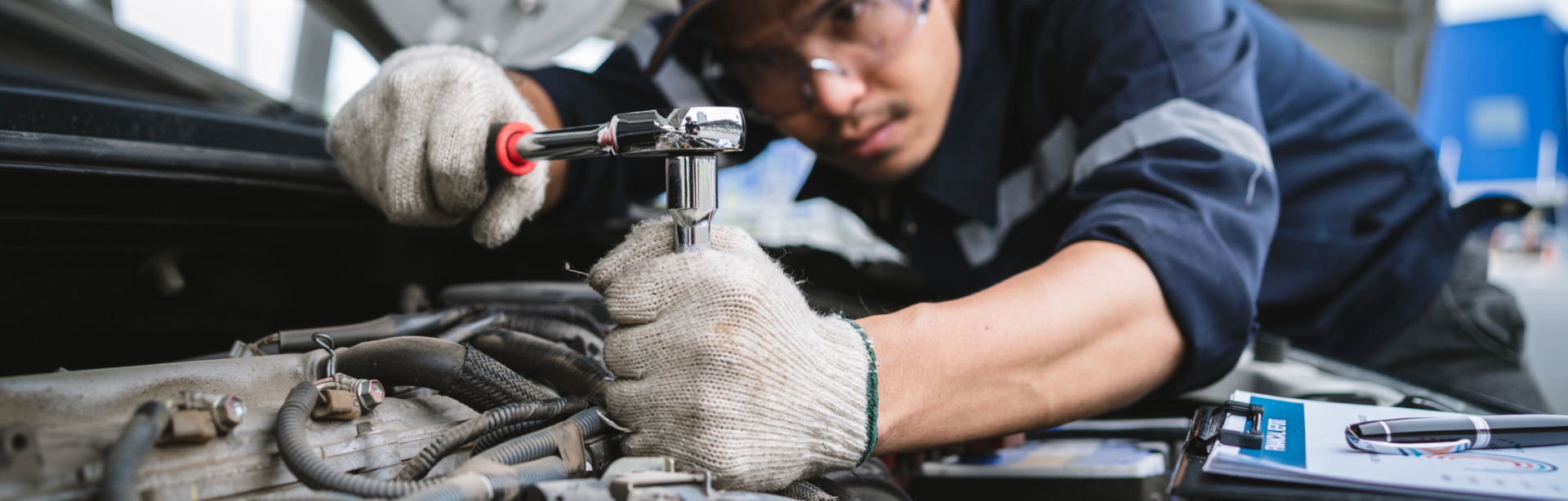
Carservice5 - Service

While many Hyundai vehicles come equipped with service reminders, understanding a general timeline for maintenance can be incredibly beneficial. This overview serves as a helpful reference to complement your owner's manual and any in-vehicle guidance you may have.

What Services Are Needed in the First 30,000 Miles?

During the initial 30,000 miles of ownership, many drivers focus on essential services such as routine oil changes, tire rotations, and filter maintenance. The exact timing for these services can vary based on your specific Hyundai model, driving habits, and the guidance found in the owner's manual.

Oil service: Most vehicles typically require an oil change within several thousand miles. For those who frequently navigate stop-and-go traffic along Madison's East Washington Avenue or make quick trips around Fitchburg and Sun Prairie, it's common to see the need for oil service arise sooner than for those who drive primarily on highways.

Tires and filters: Tire rotations are often performed early in ownership, usually done in conjunction with oil changes or at regular mileage intervals, helping to ensure even tire wear. Additionally, keeping an eye on your engine and cabin air filters is important, especially in the Madison area, where local pollen, dust, and occasional construction can clog them more quickly.

What Maintenance Should Be Done Between 30,000 and 60,000 Miles?

As your Hyundai accumulates mileage between 30,000 and 60,000 miles, maintenance tends to focus on protecting essential systems. This period often requires a shift from basic upkeep to more involved services. The specific needs can vary widely based on your model, powertrain, and driving habits, so always refer to your owner's manual and any in-vehicle maintenance reminders for guidance.

Transmission fluid: Proper fluid maintenance can ensure smoother shifting and prolong the life of your vehicle's transmission, a critical component, especially for those navigating busy roads like East Washington Avenue and University Avenue.

Brake fluid, brakes, and tires: Regular inspections of your brakes and tires become increasingly important, ensuring safe and reliable performance whether you're commuting through Fitchburg or cruising on Interstate 90 (I-90). For a broader understanding of vehicle reliability, consider checking out Consumer Reports.

What Major Services are Required Approaching 100,000 Miles?

As vehicles get closer to the 100,000-mile mark, several key maintenance services often come into focus. While the specific needs can vary by Hyundai model and engine type, it's essential to consult your owner's manual and any in-vehicle maintenance reminders for the best guidance on your vehicle.

Spark plugs: Replacing spark plugs is a common recommendation for many Hyundai models as they near this milestone. Fresh spark plugs contribute to improved engine efficiency, smoother operation, and reliable starting-key aspects for maintaining performance as wear accumulates over time.

Timing belt (if equipped) and coolant service: Certain engines, particularly older designs, may have a timing belt that requires periodic replacement, while many modern engines utilize timing chains that typically don't need replacement on a schedule. Additionally, regular coolant service-flushing and replacing the coolant-supports the longevity of your vehicle's cooling system, protecting against corrosion and overheating. Staying proactive with these services not only enhances reliability but also supports better resale value over time.

Why is Local Expertise Important for Servicing Your Hyundai?

Having a service team that understands the local climate, road conditions, and driving habits in Madison is invaluable for maintaining your Hyundai. Our technicians at Zimbrick Hyundai West are trained to ensure that your vehicle remains in optimal condition despite the challenges posed by local driving conditions.

By focusing on these regional factors, we can proactively address issues that might go unnoticed elsewhere. For further insights into vehicle safety and maintenance, we recommend checking out resources from the National Highway Traffic Safety Administration (NHTSA) and the Hyundai Owners site.

Frequently Asked Questions (FAQs)

How often should I really change my oil in Madison's climate?

Your vehicle's service reminder or owner's manual is the best guide, as intervals depend on driving habits and conditions. In Madison, many drivers find oil changes are recommended every 5,000 to 7,500 miles, particularly if using synthetic oil, which performs well in cold winters and hot summers.

Are all-season tires enough for driving around Madison?

For the majority of the year, high-quality all-season tires are suitable for Madison's varied climate. However, during heavy snowfall, especially on the isthmus, dedicated winter tires can provide better traction and safety.

Does commuting on local highways affect my service intervals?

Yes, frequent stop-and-go traffic on busy routes like East Washington Avenue can place additional strain on your vehicle. If your Hyundai has a service reminder system, it may prompt you to schedule maintenance sooner due to these driving conditions.

How often should I change my cabin air filter, especially with seasonal pollen?

It's wise to inspect your cabin air filter annually, particularly after the heavy pollen season in spring. Many drivers in the area find replacing it every 12,000 to 15,000 miles keeps the air inside their Hyundai clean and the A/C system efficient.

Is AWD worth it for driving in Madison?

A Hyundai with available AWD is a great asset for navigating Madison's snowy winters, enhancing stability and traction on slippery roads. This is especially valuable when commuting on the isthmus during inclement weather.

What maintenance schedule should I follow for older vehicles without a service reminder system?

For older models lacking a service reminder, changing the oil every 5,000 miles with conventional oil or 7,500 miles with synthetic oil is a solid rule of thumb. Additionally, following the owner's manual for other maintenance items like filters and fluids is crucial for optimal performance.
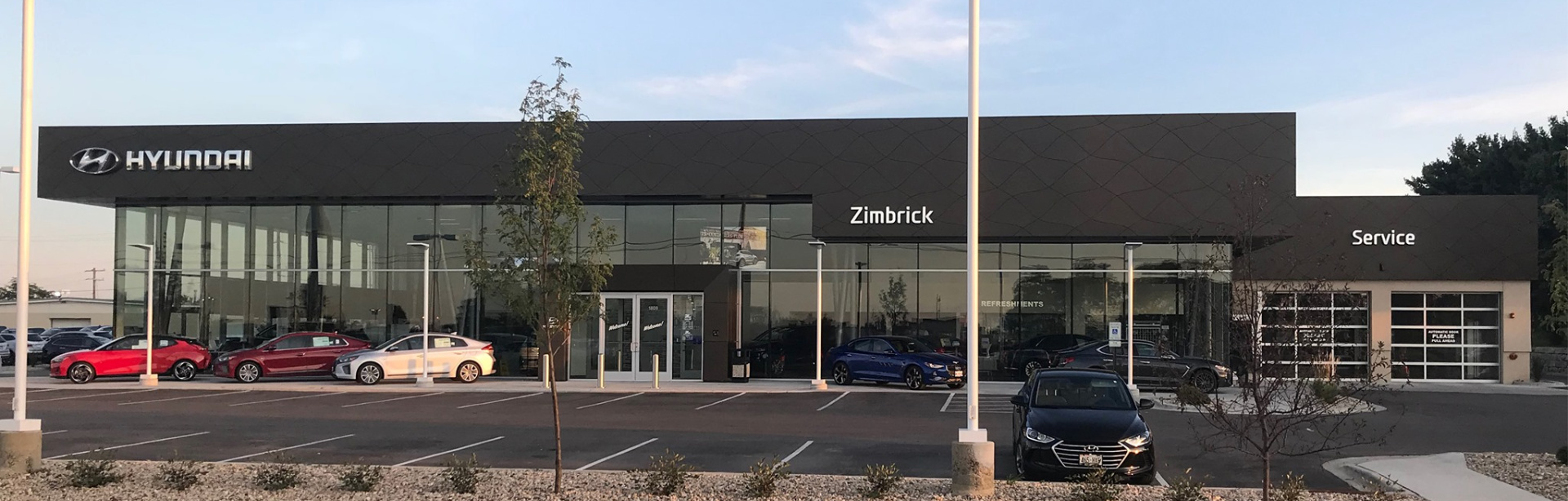
Zimbrick Hyundai West storefront

About Zimbrick Hyundai West

Zimbrick Hyundai West has been a trusted, family-owned dealership in the Madison area since 1988. We are honored to be recognized with Best of Madison and People's Choice awards for our new cars, used cars, and auto service. Our team's expertise is matched by our commitment to you, offering amenities like complimentary loaner vehicles and a pet-friendly showroom. We also give back to our community through programs like Hyundai Hope on Wheels to support the fight against pediatric cancer. Trust our award-winning team for a car buying and service experience that is built around your needs.

Related Articles:

The Ultimate Guide to Finding the Best Hyundai Dealer in Madison, WI

Posted in:

Related Posts

Service

Hyundai Warranty Coverage for Madison Drivers Explained

Author: Zimbrick Hyundai West Purchasing a new Hyundai is a significant investment for those living in the vibrant communities of Madison, Fitchburg, Middleton, Janesville, and Sun Prairie. Understanding your warranty options is just as crucial as choosing the right model. At Zimbrick Hyundai West, we recognize that peace of mind is essential, which is why we're here to break down the various warranty types available, including new vehicle, powertrain, hybrid, corrosion, and roadside assistance coverage. With years of experience serving our local drivers, we provide the clarity you need to navigate your warranty and enjoy every drive, whether you're heading to the University of Wisconsin-Madison or exploring the scenic routes around Lake Monona. Why Is the New Vehicle Limited Warranty Important for Local Commuters? The New Vehicle Limited Warranty is your essential protection against unforeseen manufacturing defects in your Hyundai, especially crucial for those who commute daily in the Madison area. This warranty typically spans several years and covers a range of components, providing peace of mind as you drive through neighborhoods like Fitchburg or Middleton. For residents commuting along busy routes such as Mineral Point Road or East Washington Avenue, having this warranty means you won't face unexpected repair costs for covered issues during the early stages of ownership. If something goes wrong, you can take your vehicle to Zimbrick Hyundai West, where we use genuine Hyundai parts for repairs, ensuring quality and reliability. Imagine navigating the stop-and-go traffic near the University of Wisconsin-Madison in the summer heat. Knowing your vehicle's air conditioning system is protected under warranty gives a sense of relief, enabling you to focus on enjoying your drive to the Dane County Farmers' Market or a weekend getaway to Lake Mendota without the worry of sudden repair bills. For more insights on how to evaluate warranty coverage and enhance your ownership experience, check out trusted vehicle ownership resources. Feature New Hyundai Hyundai New Vehicle Limited Warranty 5 years / 60,000 miles Warranty coverage and terms may vary by vehicle and are subject to change. Please confirm details with your dealership How Long Does the Powertrain Warranty Last for Madison Drivers? The powertrain warranty is crucial for protecting key components that keep your vehicle running smoothly. It typically covers your engine, transmission, and drivetrain for an extended period, offering peace of mind for residents navigating the unique driving conditions around Madison, Fitchburg, and surrounding areas. This warranty encompasses vital parts like: Engine: The heart of your vehicle, ensuring reliable performance. Transmission: Critical for smooth gear shifting, especially in varied terrains. Drivetrain: Connecting the engine's power to the wheels, essential for efficient driving. For drivers facing the hilly routes around Middleton or the stop-and-go traffic on State Street, this coverage is particularly valuable. Whether you're commuting to work or heading out for a weekend at Lake Monona, having this warranty means you can drive with confidence, knowing you're protected against unexpected repairs. Remember, the rugged driving conditions can stress these components, making the warranty a beneficial safeguard. To learn more about long-term reliability and vehicle performance, many drivers check independent reliability resources. Feature New Hyundai Hyundai Certified Used Vehicles Hyundai Powertrain Limited Warranty 10 years / 100,000 miles 10 years / 100,000 miles Warranty coverage and terms may vary by vehicle and are subject to change. Please confirm details with your dealership What Protection Exists for Hybrid Batteries in Our Climate? For drivers around Madison and nearby areas like Fitchburg and Middleton, understanding the protection available for hybrid batteries is essential, especially given the region's diverse weather conditions. High-voltage hybrid components typically come with longer warranty periods, which is crucial for ensuring reliable performance throughout our humid summers and cold winters. Hyundai's hybrid battery warranty covers a significant duration, helping to ease concerns about long-term battery efficiency. This is particularly important for those commuting along busy routes like East Washington Avenue or Mineral Point Road, where fluctuations in temperature can impact battery life. The warranty ensures your hybrid vehicle maintains its performance, providing peace of mind and supporting your eco-friendly driving choices. For example, if a battery defect arises within the warranty period, repairs or replacements are fully covered. This means that residents can enjoy the fuel savings and environmental benefits of a hybrid without the worry of unexpected replacement costs. For many local drivers in Janesville and Sun Prairie, this protection aligns perfectly with their goals of sustainability and cost-efficiency. Explore more about hybrid technology and its advantages at Edmunds. Feature New Hyundai Hyundai Certified Used Vehicles Hybrid / EV Battery Warranty 10 years / 100,000 miles 10 years / 100,000 miles Warranty coverage and terms may vary by vehicle and are subject to change. Please confirm details with your dealership Does the Warranty Cover Rust and Corrosion? Yes, Hyundai offers a specific warranty called the Anti-Perforation Warranty, which protects against rust-through from the inside out. This means that if corrosion creates a hole in your vehicle's body panels due to a manufacturing defect, you're covered. For drivers in Madison, where rain and humidity are common and road salt may be seen during winter, this warranty becomes particularly valuable. It's designed to offer peace of mind for those planning to own their Hyundai for the long term, ensuring that your vehicle remains in good shape despite the elements. It's important to note that this warranty covers rust that originates from the metal, differentiating it from surface rust that can occur due to minor damage like stone chips. For instance, if you frequently commute on East Washington Avenue or navigate the wintery streets of Fitchburg, knowing that the Anti-Perforation Warranty protects against deeper corrosion can help you maintain your vehicle's integrity and appearance over time. Feature New Hyundai Hyundai Certified Used Vehicles Anti-Perforation Limited Warranty 7 years / unlimited miles - Warranty coverage and terms may vary by vehicle and are subject to change. Please confirm details with your dealership What Is the Emissions Warranty for Madison Residents? Federal and state regulations require emissions-system coverage to ensure your vehicle meets environmental standards, which is particularly important for keeping our air clean. This means that eligible components related to emissions control are protected under warranty, benefiting drivers by minimizing unexpected repair costs. The emissions warranty typically covers defects in essential parts that influence your vehicle's emissions. For example, if a key component like a catalytic converter or an engine control module malfunctions, leading to increased emissions, repairs are covered. This is crucial for maintaining compliance with emissions regulations, especially if you're navigating local traffic in areas like State Street or near the University of Wisconsin-Madison. Coverage lengths can vary, with general emissions parts typically having shorter warranties compared to major components. This distinction matters because, while minor emissions parts may have limited coverage, crucial systems that significantly impact your vehicle's emissions are afforded longer protection. For drivers in Madison, understanding these details ensures you can confidently manage your vehicle's emissions, especially during any required inspections. Feature New Hyundai Hyundai Certified Used Vehicles Federal Emission Defect Warranty / Federal Emission Performance Warranty 5 years / 60,000 miles; specified major emissions components 8 years / 80,000 miles - Warranty coverage and terms may vary by vehicle and are subject to change. Please confirm details with your dealership What About Roadside Assistance? For drivers around Madison, having 24-hour roadside assistance means peace of mind during unexpected situations. This service typically offers support for various events, such as a flat tire on the busy Beltline or a dead battery while parked at the Memorial Union Terrace. With this coverage, help is always just a call away, enhancing your overall driving experience. Imagine you're heading to a popular event at the University of Wisconsin-Madison and suddenly realize you have a flat tire. Or perhaps you're out enjoying the scenic roads around Lake Monona when your battery gives out. Roadside assistance steps in to help you with situations like: Towing: If your vehicle can't be repaired on-site, it can be towed to a nearby Hyundai dealership. Jump Starts: A quick jump start can get you back on the road if your battery fails. Fuel Delivery: Running out of gas on a rural road in Fitchburg? Fuel can be delivered to your location. Lockout Assistance: If you accidentally lock your keys in your car, help is available to get you back inside. Flat Tire Repair: Assistance with changing a flat tire ensures you can continue your journey safely. This service is especially valuable in the unpredictable weather of Wisconsin, where snow and ice can make driving conditions challenging. Knowing that you have support during those chilly winter months can make a significant difference on your daily commute or weekend adventures. Feature Hyundai Certified Used Vehicles 10-Year Unlimited Mileage Roadside Assistance 10 years / unlimited miles Warranty coverage and terms may vary by vehicle and are subject to change. Please confirm details with your dealership Do Accessories Have Their Own Coverage? When it comes to covering accessories, genuine parts installed at the time of purchase typically fall under the New Vehicle Limited Warranty, offering peace of mind to Madison drivers. This means that if you customize your Hyundai with items like all-weather mats or roof racks for weekend getaways to Lake Monona, you can feel confident they're protected. On the other hand, if you choose to add accessories later, their coverage usually extends for the duration of the new car warranty or one year, whichever is longer. This policy encourages the use of high-quality, genuine parts that are designed to fit your vehicle perfectly. By opting for dealer-installed accessories, you ensure better efficiency and compatibility, which is crucial for navigating the winter conditions on Madison's icy isthmus roads. For broader government-backed vehicle safety information and recalls, you can visit the NHTSA resource center. Feature New Hyundai Replacement Parts and Accessories Limited Warranty 12 months / 12,000 miles Warranty coverage and terms may vary by vehicle and are subject to change. Please confirm details with your dealership Frequently Asked Questions (FAQs) What is not covered by a Hyundai warranty? Standard wear and tear items like brake pads, wiper blades, and filters are generally not covered. Additionally, damage resulting from accidents, misuse, or lack of proper maintenance is excluded from warranty coverage. Does the warranty transfer to the second owner? Yes, the remaining balance of the factory warranty is fully transferable to the next owner. This can enhance the resale value of your vehicle, especially in the Madison area. Is a loaner car provided for warranty work? Loaner car availability can vary, but Zimbrick Hyundai West strives to minimize inconvenience for our customers. It's best to check with our service department for specific policies. Do I have to service my car at a dealership to keep the warranty? You are not legally required to use a dealership for routine maintenance to maintain your warranty. However, keeping detailed records is essential. Servicing at Zimbrick Hyundai West ensures that factory-trained technicians use genuine parts for optimal vehicle care. What community programs does Zimbrick Hyundai West participate in? Zimbrick Hyundai West supports local initiatives like Hyundai Hope on Wheels, which helps in the fight against pediatric cancer, showcasing our commitment to giving back to the community. How long has Zimbrick Hyundai West been serving the Madison area? Zimbrick Hyundai West has been a family-owned dealership in the Madison area since 1988, recognized for our quality service and commitment to customer satisfaction. About Zimbrick Hyundai West Zimbrick Hyundai West has been a trusted, family-owned dealership in the Madison area since 1988. We are honored to be recognized with Best of Madison and People's Choice awards for our new cars, used cars, and auto service. Our team's expertise is matched by our commitment to you, offering amenities like complimentary loaner vehicles and a pet-friendly showroom. We also give back to our community through programs like Hyundai Hope on Wheels to support the fight against pediatric cancer. Trust our award-winning team for a car buying and service experience that is built around your needs. Related Articles: The Ultimate Guide to Finding the Best Hyundai Dealer in Madison, WI
Service

The Importance of Genuine Hyundai Parts

Author: Zimbrick Hyundai West Your Hyundai serves as a reliable companion for your daily journeys around Madison and nearby areas like Fitchburg, Middleton, Janesville, and Sun Prairie. At Zimbrick Hyundai West, we understand that using genuine OEM parts is crucial for maintaining your vehicle's performance and safety. In this article, we'll explore what genuine OEM parts are, how they stand apart from aftermarket options, and why investing in them is essential for protecting both your vehicle's value and your driving experience. What Are Genuine Hyundai Parts? Genuine Hyundai Parts are components crafted specifically for your vehicle model, ensuring they meet the exact standards set during manufacturing. These parts, known as Original Equipment Manufacturer (OEM) parts, are built to the same factory specifications as the originals, providing an essential guarantee of fit and performance. Being engineered to original specs is crucial for maintaining your vehicle's reliability and efficiency. Whether you're navigating the snowy roads in Madison or cruising through the bustling streets near the University of Wisconsin-Madison, genuine parts will help ensure your Hyundai performs optimally. Factory-Spec Design: Crafted to match the original components precisely. Thoroughly Tested: Each part undergoes rigorous testing to meet quality standards. Exact Fit: Designed to fit seamlessly into your vehicle, reducing installation issues. For drivers in areas like Fitchburg or Middleton, using genuine Hyundai parts means greater peace of mind, especially when facing variable Wisconsin weather. OEM parts contribute to your vehicle's longevity and performance, making them a smart choice for any Hyundai owner. How Do OEM Parts Differ From Aftermarket Alternatives? The key differences between OEM (Original Equipment Manufacturer) parts and aftermarket alternatives revolve around fit, quality, and warranty. OEM parts are manufactured using the exact specifications and materials as the original components, ensuring a precise fit and reliable performance. In contrast, aftermarket parts often use a one-size-fits-many approach, which can lead to compatibility issues. For drivers navigating the unique roads of Madison, such as those bustling with traffic near the University of Wisconsin-Madison, understanding these differences is crucial to ensuring your vehicle operates safely and effectively. Fit: OEM parts are designed specifically for your model, ensuring a seamless integration that requires no modifications. Aftermarket parts, however, may not align perfectly, potentially affecting performance and safety. Quality Consistency: OEM parts adhere to strict manufacturing standards, guaranteeing reliability and longevity. Aftermarket options can vary significantly in quality, leading to potential risks for your vehicle. Warranty Protection: OEM parts typically come with a warranty when installed by a certified dealer, providing peace of mind. Many aftermarket parts may offer limited or no warranty, increasing your financial risk if they fail. In Madison, where winter weather can bring icy roads, opting for OEM parts ensures that your vehicle remains safe and reliable, whether you're commuting on East Washington Avenue or heading to the Dane County Farmers' Market. Choosing OEM parts contributes to maintaining your Hyundai's integrity and performance over time. Why is a Perfect Fit So Crucial for Your Vehicle? A precise fit for your vehicle's components is essential for maintaining safety and performance. When parts don't fit properly, it can trigger a series of issues that significantly impact your driving experience. Consider a scenario where you're navigating the busy streets of downtown Madison on a rainy afternoon. If your brake pads don't fit correctly, they may not engage fully, leading to decreased braking power. This can be especially hazardous when stopping at intersections, like those on State Street or during heavier traffic near the Wisconsin State Capitol. Furthermore, an engine part that isn't perfectly aligned can cause leaks or vibrations, which can lead to costly repairs over time. Genuine OEM parts are designed to fit your Hyundai seamlessly, ensuring your vehicle operates as intended. This not only enhances your safety but also prolongs the life of your vehicle. For instance, if you own a Hyundai Tucson, using OEM brake pads ensures maximum contact with the rotors, providing reliable stopping power, even in wet conditions. Improved Braking Performance: Correctly fitting brake pads ensure maximum contact, which is crucial on slippery roads. Reduced Leaks: Engine components that fit perfectly minimize the risk of oil leaks, maintaining optimal performance. Minimized Vibrations: Properly fitted parts reduce vibrations, leading to a smoother ride on mixed-speed routes around Fitchburg and Sun Prairie. Increased Longevity: Using genuine parts means less wear on your vehicle, saving you money in the long run. Enhanced Safety: Every component working in harmony contributes to overall vehicle safety, especially in adverse weather conditions. Confidence on the Road: Knowing your vehicle is equipped with the right parts gives you peace of mind, whether commuting during rush hour or enjoying a weekend trip to Lake Monona. Can Aftermarket Parts Affect My Hyundai's Performance? Yes, aftermarket parts can significantly impact your Hyundai's power, fuel economy, and responsiveness. Your vehicle's systems are designed to work harmoniously, and deviating from OEM specifications can lead to inefficiencies. For instance, an aftermarket air filter that doesn't meet Hyundai's standards may restrict airflow, causing a drop in horsepower and diminishing fuel efficiency. Likewise, using non-genuine spark plugs can result in incomplete combustion, further reducing performance. These performance drops can accumulate over time, ultimately affecting your daily driving experience. For drivers in Madison and surrounding areas like Fitchburg and Middleton, this could mean spending more on fuel for your commutes along East Washington Avenue or Mineral Point Road. On longer highway trips to Janesville or Sun Prairie, the impact becomes even more noticeable, as your vehicle may not respond as quickly or efficiently during merging or acceleration. Power Loss: Aftermarket air filters can restrict airflow, leading to decreased horsepower. Fuel Economy: Non-OEM spark plugs might cause inefficient combustion, resulting in higher fuel consumption. Responsiveness: Deviations from OEM specs can make your vehicle feel sluggish, especially in stop-and-go traffic. Long-Term Impact: Performance declines can accumulate, affecting overall drivability over time. Are Genuine Parts Safer for Driving in North Carolina? Yes, choosing genuine parts significantly enhances your safety on the road. Genuine OEM parts are rigorously tested to meet strict safety standards and are specifically designed to work seamlessly with your vehicle's integrated safety systems, ensuring optimal performance when you need it most. In areas like Madison and surrounding cities such as Fitchburg and Sun Prairie, where summer storms can create slick road conditions, having reliable safety components is vital. Imagine driving through a downpour on Mineral Point Road or navigating busy intersections near the University of Wisconsin-Madison; your vehicle's safety features depend on high-quality parts to function correctly. Here's why genuine parts matter: Brakes: Genuine brake components provide precise stopping power, essential for quick reactions in unpredictable traffic. Airbags: OEM airbags are designed to deploy effectively in an accident, enhancing occupant protection. Tires: Authentic tires offer better grip and handling, crucial for safe driving in Wisconsin's variable weather. Every genuine part, from brake rotors to airbags, undergoes extensive testing to ensure reliability in critical situations. You can explore more about the safety advantages of genuine parts on sites like Edmunds. In contrast, aftermarket parts may not adhere to the same rigorous standards, leaving drivers vulnerable to potentially dangerous failures. For the safety of you and your loved ones, opting for genuine OEM parts is the smartest choice. How Do Genuine Parts Protect My Vehicle's Value? Using genuine Hyundai parts is crucial for preserving your vehicle's resale value. When it's time to sell or trade in your car, a detailed service history featuring OEM parts significantly enhances your appeal to potential buyers. Appraisers and buyers, including those at Kelley Blue Book, view vehicles maintained with genuine parts as indicators of thorough care. This showcases that the car has been kept to factory standards, reflecting quality maintenance. Conversely, vehicles with mismatched or unknown aftermarket parts often raise concerns, leading to lower appraisal offers. By choosing genuine Hyundai components, you're not just maintaining your vehicle; you're securing its future value. Here's how genuine parts benefit your resale: Higher appraisals: Vehicles with documented OEM parts typically receive better offers. Faster sales: Buyers are more confident in cars with clear maintenance records. Buyer confidence: Genuine parts signal reliability, attracting more serious inquiries. For residents in Madison, Fitchburg, or Janesville, keeping your Hyundai in top condition with genuine parts can make a significant difference when navigating local resale markets. This is particularly important in areas with high traffic, like the isthmus, where buyers want assurance of quality care. Frequently Asked Questions (FAQs) What documents do I need to trade in my vehicle at Zimbrick Hyundai West? You'll need your vehicle title, registration, and any loan payoff information. Additionally, bring your driver's license and all sets of keys to ensure a smooth process. How does Zimbrick Hyundai West determine my trade-in value? Our team assesses your vehicle based on its condition, mileage, and market demand. We perform a VIN-specific appraisal to provide you with a fair offer that reflects your vehicle's true value. Can I trade in my vehicle if I still owe money on it? Yes, you can trade in a vehicle with an existing loan. Zimbrick Hyundai West will assist in paying off the remaining balance and applying any equity toward your new purchase. Is it better to sell my vehicle privately or trade it in at Zimbrick Hyundai West? Trading in is generally quicker and more convenient, especially with our knowledgeable staff guiding you. While selling privately may fetch a higher price, it often requires more time and effort. What community programs does Zimbrick Hyundai West support? Zimbrick Hyundai West participates in community initiatives like Hyundai Hope on Wheels, which supports the fight against pediatric cancer. We believe in giving back to the community that supports us. What awards has Zimbrick Hyundai West received? We are proud to have been recognized with the Best of Madison and People's Choice awards for both our new and used cars, as well as our auto service, reflecting our commitment to quality. About Zimbrick Hyundai West Zimbrick Hyundai West has been a trusted, family-owned dealership in the Madison area since 1988. We are honored to be recognized with Best of Madison and People's Choice awards for our new cars, used cars, and auto service. Our team's expertise is matched by our commitment to you, offering amenities like complimentary loaner vehicles and a pet-friendly showroom. We also give back to our community through programs like Hyundai Hope on Wheels to support the fight against pediatric cancer. Trust our award-winning team for a car buying and service experience that is built around your needs. Related Articles: The Ultimate Guide to Finding the Best Hyundai Dealer in Madison, WI
Service

How Routine Hyundai Maintenance Can Save You Money Over Time

Author: Zimbrick Hyundai West Investing in your vehicle is about more than just the purchase price; it's about ensuring it remains reliable and cost-effective over time. Many drivers may perceive routine service as an inconvenience or an added cost, yet neglecting these essential check-ups can lead to significant expenses down the road. In Madison, Fitchburg, Middleton, Janesville, and Sun Prairie, this is particularly true, where the varying weather and road conditions can take a toll on vehicle performance. Zimbrick Hyundai West understands the importance of smart upkeep, guiding local drivers in maintaining their vehicles to safeguard their budgets. This article will explore how skipping scheduled service can be financially detrimental and highlight ways that regular preventative care can keep your vehicle running smoothly and your wallet happy. Why Is Preventative Maintenance Cheaper Than Repairs? Maintaining your vehicle regularly is significantly more cost-effective than waiting for major repairs to arise from neglected issues. Just like your health, a routine check-up for your car is far cheaper than emergency interventions when things go wrong. Small, scheduled fixes can prevent minor problems from escalating into costly failures. For instance, skipping regular maintenance may lead to a minor fluid leak, which, if ignored, can escalate to engine damage that costs thousands to repair. For drivers around Madison and nearby areas like Fitchburg, Middleton, Janesville, and Sun Prairie, this principle is crucial. The fluctuating temperatures and seasonal changes can put extra strain on vehicle components. Regular inspections help catch wear and tear early, preventing the kind of breakdown that leads to costly towing fees and emergency repairs. Here's why preventative maintenance saves you money: Early Detection: Identifying minor issues during inspections can prevent major repairs down the line. Cost Comparison: A simple maintenance task, like replacing a worn belt, costs significantly less than the potential engine damage from a snapped belt. Avoiding Breakdowns: Regular checks minimize the risk of being stranded, especially during winter months when icy roads are a concern. Peace of Mind: Knowing your vehicle is in good condition allows for stress-free driving, whether commuting through downtown Madison or navigating the Beltline. Does Changing Your Oil Really Protect Your Engine? Fresh engine oil is crucial for your vehicle's health, playing a vital role in prolonging the life of your engine. Over time, however, oil breaks down due to heat and pressure, losing its effectiveness in lubricating moving parts. This degradation allows dirt and debris to accumulate, forming sludge that can clog vital components. In busy driving conditions around Madison-like the daily commute along East Washington Avenue or stop-and-go traffic near the University of Wisconsin-Madison-your engine endures intense strain. As old oil fails to provide proper lubrication, friction increases, generating heat that accelerates internal engine wear. This can lead to significant damage, potentially resulting in costly engine replacement. Regular oil changes are a small investment compared to the hefty price of replacing an engine, which could cost thousands of dollars. Increased Engine Life: Fresh oil helps maintain optimal lubrication, reducing wear and tear on engine components. Improved Efficiency: Regular oil changes can enhance fuel efficiency, saving you money at the pump. Fewer Repairs: Keeping oil clean helps prevent sludge buildup, reducing the risk of costly repairs down the line. For Hyundai owners, routine oil changes are especially important. Models like the Hyundai Tucson or Elantra benefit significantly from consistent oil maintenance, ensuring they continue to perform reliably in Madison's diverse driving conditions. Remember, investing in regular oil changes today can save you from much larger expenses tomorrow. For more information on vehicle care standards, you can visit Consumer Reports. The Impact of Tire Care on Fuel Economy and Tire Life Maintaining correct tire pressure, ensuring proper alignment, and minimizing rolling resistance are crucial for better fuel economy and extending tire life. When tires are inflated to the recommended PSI, they roll more efficiently, reducing the amount of fuel your engine needs to consume. Think of it as driving on a smooth highway versus a bumpy road; less effort means better mileage. Local roads in Madison, such as those around the University of Wisconsin-Madison or near the bustling Dane County Farmers' Market, often feature potholes and uneven surfaces that can throw your alignment off. An improper alignment causes uneven tread wear, meaning you could need to replace your tires sooner, leading to unnecessary expenses. Addressing these issues through simple tire care regularly can save you money on fuel and tire replacements. Check PSI: Regularly check your tire pressure to ensure it matches the manufacturer's recommendations. Rotate Tires: Rotate your tires every 5,000 to 7,500 miles to promote even wear. Alignment Checks: Get your alignment checked if you notice uneven wear or after hitting a pothole. For additional insights on tire ratings and maintenance, visit Edmunds. Will Following the Hyundai Maintenance Program Boost Resale Value? A well-documented service history significantly enhances buyer confidence and can lead to higher trade-in or private-sale offers. When it's time to move on to a new Hyundai, a complete record of maintenance proves that the vehicle has been meticulously cared for, making it more appealing to potential buyers. This portfolio of care not only reflects the vehicle's condition but also assures buyers that they are making a wise investment. In regions like Madison and its neighboring areas, where local buyers often prioritize reliability, a robust service history can set your car apart from others on the market. Higher Offers: Vehicles with comprehensive service records typically fetch better prices. Faster Sales: Buyers are more inclined to purchase cars with verified maintenance histories. Increased Trust: A clear service history fosters buyer confidence in the vehicle's reliability. If you're navigating the market along busy routes like East Washington Avenue or Mineral Point Road, showcasing your Hyundai's maintenance records can make the difference between a quick sale and prolonged negotiations. For instance, a well-maintained Hyundai Tucson or Santa Fe might attract more attention from buyers in Middleton and Sun Prairie, where families look for dependable vehicles for their daily commutes and weekend getaways. To see how the condition of your car affects its value, check current vehicle prices at Kelley Blue Book. How Do Genuine Hyundai Parts Save You Money Over Time? Choosing genuine OEM parts for your Hyundai can significantly reduce long-term costs by ensuring a perfect fit and exceptional durability. Unlike generic aftermarket parts, which are often designed to fit a broad range of vehicles, OEM parts are made specifically for your model, like the 2023 Hyundai Tucson or 2023 Hyundai Santa Fe. Opting for OEM parts means investing in quality that leads to fewer repeat repairs. Aftermarket parts may seem like a budget-friendly option initially, but they often fall short in compatibility and longevity. This can result in: Exact Fit: OEM parts are manufactured to the precise specifications of your Hyundai, ensuring seamless integration with existing systems. Durability: OEM components undergo rigorous testing to withstand the demands of various driving conditions, contributing to their lifespan. Warranty Protection: Using non-OEM parts can void your vehicle's warranty, leading to unexpected costs if issues arise. For example, installing a generic brake pad might save you a few dollars now, but if it leads to uneven wear and requires replacing your rotors, you're looking at double the expense. This is especially relevant for those navigating Madison's wintery roads, where reliable braking is crucial for safety. In short, investing a little more in genuine Hyundai parts upfront can prevent costly repairs and ensure your vehicle remains in top-notch condition for years to come. You can verify specifications and parts details at Hyundai USA. Why Brake Maintenance Matters for Safety and Cost Ignoring the warning signs of worn brake pads can lead to significant repair costs. Squealing noises, vibrations when braking, or longer stopping distances indicate that your brake pads may need attention. If you let these warnings go unchecked, you risk damaging the rotors and calipers, which are much more expensive to replace. Brake pads are intentionally designed to wear down, acting as a sacrificial component to protect the more costly parts of the brake system. If you hear a squeal, it means the pads are nearing the end of their life. When this noise is ignored, the metal backing can eventually come into contact with the rotors, leading to severe rotor and caliper damage. Early pad replacement is a fraction of the cost compared to full brake-system repairs, keeping your expenses manageable and your vehicle safe. In Madison and its surrounding areas like Fitchburg and Middleton, the combination of hilly terrain and busy highways highlights the importance of maintaining your brakes. On wet roads or during snowy seasons, effective braking becomes even more critical. For example, if you frequently drive on East Washington Avenue or navigate the Beltline during rush hour, you'll want to ensure your brake system is in top shape to handle quick stops safely. Squealing sounds: A clear indicator that your brake pads are worn. Vibrations while braking: May suggest uneven wear or rotor issues. Longer stopping distances: A dangerous sign that your brakes aren't performing well. For safety ratings and recall information, visit the NHTSA. Frequently Asked Questions (FAQs) Are genuine Hyundai parts more expensive than aftermarket? While genuine Hyundai parts may come with a higher upfront cost, they typically offer better long-term value. Their superior quality and fit can prevent expensive repairs caused by inferior aftermarket parts, ultimately saving you money over time. Where can I buy genuine Hyundai parts near Madison? You can purchase genuine Hyundai parts directly at Zimbrick Hyundai West, where you can ensure the authenticity of the parts and benefit from professional installation by certified technicians. Do genuine parts come with a warranty? Yes, genuine Hyundai parts come with a warranty, typically offering a 1-year coverage from authorized dealers like Zimbrick Hyundai West. This gives you peace of mind regarding their quality and durability. Will using aftermarket parts void my car's warranty? Using aftermarket parts won't automatically void your warranty, but if those parts cause damage to your vehicle, the repairs may not be covered. It's essential to consult with Zimbrick Hyundai West to understand how these choices might affect your warranty claims. What community programs does Zimbrick Hyundai West support? Zimbrick Hyundai West participates in community initiatives such as Hyundai Hope on Wheels, which supports the fight against pediatric cancer. This commitment reflects the dealership's dedication to giving back to the Madison community. What awards has Zimbrick Hyundai West received? Zimbrick Hyundai West has been honored with the Best of Madison and People's Choice awards, showcasing its reputation for excellence in customer service and quality vehicles since its establishment in 1988. About Zimbrick Hyundai West Zimbrick Hyundai West has been a trusted, family-owned dealership in the Madison area since 1988. We are honored to be recognized with Best of Madison and People's Choice awards for our new cars, used cars, and auto service. Our team's expertise is matched by our commitment to you, offering amenities like complimentary loaner vehicles and a pet-friendly showroom. We also give back to our community through programs like Hyundai Hope on Wheels to support the fight against pediatric cancer. Trust our award-winning team for a car buying and service experience that is built around your needs. Related Articles: The Ultimate Guide to Finding the Best Hyundai Dealer in Madison, WI